Bibliography

Martin Parr book:


https://www.bbc.co.uk/iplayer/episodes/p03rfd6s/signs-of-the-times

This is the documentary with the BBC that goes with the book and artwork. Watching the documentary I noticed how different in style these homes were, even the fashion on the owners. A lot has changed since 1990’s and it is interesting to see how the video was captured in itself. It was simple and shot with a sense of symmetry and one single shots. With the quality being dated and the owners style having a colour scheme, it made the film become easy on the eye with the tones that were resonating through. These visual features are something, when editing my photos, I want to consider to cater to my surroundings so the balance of the photos work well with the tones.

William Eggleston photography:


Alec Soth:


Pinterest:

Action plan/Proposal:
The research I intend to do for this brief is in depth research towards photographers that I am very interested in. These photographers are mainly portrait and fashion photographers, some focus on locations too. I want to try and research the processes they go through to achieve their style and look. I intend to shoot fashion/ portrait photography within the home as well as room/ home shots, I am not ruling out location photography. I intend to shoot a series of shoots throughout this topic to enable me to have a lot to work with, I will be able to see what works best and what doesn’t. These images will be shot in my house and on location. I will be mainly using natural light from outside, flash on the camera, natural home light for the foreseeable future. I will be using a Nikon camera, and I have bought Photoshop, which I will be using to edit photos on my home laptop. My ideas have come from my own personal interest on this kind of photography. I love the concept of capturing someone in different ways and having a background with lighting help dictate what kind of style, mood and look you want to communicate. I have always had an interest in fashion/ portraiture, Pinterest has inspired me to focus on a theme and style as well has having a previous inspiration to photographers such as William Eggleston and Martin Parr etc. They key element that will contribute to the success of this assignment will be time management, being able to plan out what I want to do, how I am going to do it, where, with who, what I am going to talk about to evaluate. This is the final project so I need to be on form.
Artist Natasha Caruana
Sharing her creative process when starting a new project,
and during the process of developing her ideas.
- Creative Research Why It’s Important
https://www.instagram.com/tv/B-E9vR1nU5K/
- Creative Research Process, Using Note/Sketchbooks.
https://www.instagram.com/tv/B-HoiNlH0N1/
- Artist Website
https://www.natashacaruana.com/
Notes:

Mark Mahaney: Polar Night
https://www.bjp-online.com/2020/03/mark-mahaney-polar-night/
Mark Mahaney produced a captivating and considerate series of photographs called ‘Polar Night’ whilst he was staying in Utqiagvik, Alaska. He produced 26 pictures and had to be vary wary about how he was going to be able to take these pictures. Reading the article made me realise the lengths he had to go to to capture his photos in this climate, needing to bring double of every equipment to make sure the temperature doesn’t effect it. He mentions how it had to be digital instead because it could ‘crack’ film. The difference in light is what made his pictures so beautiful, as the whites from the snow created this melancholic bleakness, and eeriness within the sky.  I love the bold contrasts in colours in this photograph. Mahaney doesn’t just capture these houses and objects, there is a cultural and meaningful theme and style that is being communicated. This is something that is mentioned within the article, that he did not want to be intrusive or ‘exploitative’ when stepping into this hibernated village. The concept of day and night is what makes this a difficult project for him too to actually produce what he set out to produce. He was interested on the difference in how people are and live in Alaska and that is what he wanted to capture.


I particularly liked these two pictures that were placed together in the article. It has made me gather a style for my own ideas for this project. “I left this town thinking that the project was these eerie, melancholic snowscapes juxtaposed with youthful, inspirational portraits of high-school students,” Mahaney recalls.” These two concepts are different but the same as they are within the same series of images and show the link from the outdoors to indoor on the culture through the youthful people. I like how there is a diptych within the series, similar to what Alec Soth produces. Even-though this is the only portrait in Mahaney’s book, it acts as a narrative and creates more fluidity within the series.


Same, Same But Different: 50 photographers interpret the same ideas:
Max Siedentopf’s book ‘Same, Same but different’ sets out to have this idea where he asks 50 photographers to produce photographs that have generic and normal themes for then the next photographer to interpret it in a similar way but sticking with that original theme. They produced these pictures in different styles. Max is interested in this concept of how sometimes people have similar ideas and this not to be seen as a ‘negative’.


This simple quote put next to the photo is an idea I like, its subtle yet effective. There is a sense of uniqueness and edge to adding text to a photograph, it becomes personal with the choice of font. The ketchup idea is fun and strange at the same time but the entire experiment from the contrast in tomato ketchup an then it acting as blood from a bloody nose is clever. Then when Annie makes her interpretation, there is a contrast from the head being porcelain on a plate as if shes dead.

‘Referencing, copying, and adaptation are all part of the creative process, yet the pressure to reinvent the wheel has never been more important.’ I liked this quote in the article because it pin points what the message is and what the motive was for this interesting experiment. As a student photographer I can sometimes get lost within what I am truly taking pictures of and what the processes behind my thought pattern is. This article has made me want to have a deep and important context behind my images. It will boost my project and bring the photos together.


‘In a world where authenticity is valued so highly, it is easy to forget that execution is just as important. In Same, Same But Different, we see how an idea is just the starting point, and the ways in which artists can manipulate composition, styling, and their choice of setting or models, is truly endless.’ I could experiment working in this way, by taking pictures that relate to one another but executed in a different manor. It links well with the previous article I have already spoken about because if I want to experiment with diptychs and telling that narrative, having the same but different as a concept is something that will really communicate my ideas across. That be my ideas through portraiture and home.
@massisolationFORMAT – Instagram – Inspired by mass-observation, images from the global mass isolation during C19virus


During the current situation regarding the corona virus people have been taking photos and posting what and how isolation is effecting and what it means to them. My main aim in this project is to be able to still produce work from home. This Instagram page has also inspired me to be able to start thinking what photographs I will be taking that be in my home or limited shots outside. I love this page because it is a similar style to what I want to work/ have worked in in the past. There is a simpleness about them, quite quiet photographs especially the first set. These photos different people have been taking photographs of whilst in this epidemic capture what the atmosphere and vibe the outside and inside is really like. These ideas can be incorporated in my photographs as well as making sure there is this theme of portraiture and home.

Walk the streets of Wuhan at the height of the corona virus pandemic
This short video puts out a strong message with the epidemic and self isolation that is taking place. It is important especially at these times to be careful than ever. Nowness are a good YouTube channel that do also focus on photography. I liked this video because not only is it putting out a raw and real insight to the life Wuhan is going through, it captures it in a style that is effective. The tones and scenes that have been recorded are tailored to set a mood and seriousness.
https://www.youtube.com/user/nowness
Photography in Focus videos:
Photographers In Focus: Catherine Opie
Catherine Opie is an American photographer that tells us about how she interprets photography and what it means to her. She mentions as a young girl she would look at how photos were generated in the magazines she had at home, which then made her realise what it meant to take a photo. This is something I used to look at when I was younger, as well as growing up with social media, fashion/ portraiture being an interest has inspired me more to explore what it means to take a photo. She communicates what it means to be homosexual and says she had to be a participant in her body of work, for it to actually mean something and give the message she wants people to see. I found this very interesting because she would include herself but go to some extreme lengths to articulate her ideas. ‘Without representation, you can’t make change’ this is something Catherine says in the video and its true.


I particularly like these two images screen grabbed from the YouTube clip. This is a similar style I would like to work in. I love the dark colours and tones contrasting from the bright whiteness in the photo. Its sensitive and personal, home based photography but it gives off a happy and calming theme, which I want to demonstrate within my work.
Isolation portraits: the faces of quarantine
https://www.theguardian.com/world/2020/mar/24/isolation-portraits-the-faces-of-quarantine
‘Victoria Smallwood
Age 28
Brooklyn, New York
Victoria is an attorney who began working from home voluntarily on 12 March. As of 15 March, her office in midtown Manhattan had not put mandatory work-from-home practices into place.’

Another reference to the outbreak of the corona virus, by Jackie Russo. This article interested me because it takes a different turn towards working with photography from home but approaches it through video chat calls, ‘remote portraits’. ‘The images show very clear separation and distance between photographer and subject, the portraits are still the result of connection (both human and digital), which continues to be a crucial aspect of life, despite unusual circumstances.’. This concept is effective due to how we all are mostly contacting through this difficult quarantine time. Myself I am face timing and messaging my loved ones, but I particularly liked how Jackie sets up her video chats. She props her laptop with a black background to balance the light from the screen to contrast, which makes the images appear clearer. She talks about how its you ‘don’t physically need to be in a room with somebody to make a portrait’, which stood out to me because I can understand there is still meaning and mood being communicated. She noticed when talking to these strangers they seemed to like to talk about how the virus is effecting them in themselves and their lives around them.
‘Rachael Seatvet
Age 25
Montreal, Canada
Rachel, a graphic designer, has been working from home but her main task at work, creating a large catalog for the company she works for, has been affected by Covid-19. As a US citizen, she wonders if Canada’s universal healthcare benefits would apply to her if she were to get sick.’

Even though these photos of people through the video chats aren’t actual portraits or high resolution, I like how Jackie has styled them. She has still managed to capture these strangers in an artistic way, they seem to all pose in a natural and candid way. The tones and colouring are quite calming and soft yet dark. There is a little bit of light showing onto the stool and laptop to make sure these subjects are a factor because this is what the quarantine is about with how we are communicating.
Documentation of my video calls with friends:


My own interpretation:


SHIZUKA YOKOMIZO, DEAR STRANGER…
http://theharlow.net/shizuka-yokomizo-dear-stranger/#

A photographer called Shizuka Yokomizo was interested in the idea of taking planned photographs of people in their homes but through their front room windows. She would send a letter out stating that ‘A camera will be set outside the window on the street. If you do not mind being photographed, please stand in the room and look into the camera through the window for 10 minutes on __-__-__ (date and time)…I will take your picture and then leave…we will remain strangers to each other…If you do not want to get involved, please simply draw your curtains to show your refusal…I really hope to see you from the window.’ She wanted to capture that initial look of the people recognising her as a stranger, this would need her to have eye contact with the other stranger for this to happen. I find this experiment effective and very unique. It gives an insight to the relationship with a stranger and a photographer at a vulnerable time and to see what result can come of it.


It is interesting to see how people posed without her really being able to communicate properly with them. Its raw and real, which is something I like to focus on within my photography, it has inspired me to stick with a personal and candid style for this final project.
Domestic Spaces
https://www.irenasiwiakphoto.co.uk/domestic-spaces


Irena on her website talks about this work being based on how the surroundings we live in are articulated towards the definition that we want in our lives, the things we want attention to be drawn to. ‘One of the basic human requirements is the need to dwell, and one of the central human acts is the act of inhabiting, of connecting ourselves, however temporarily, with a place on the planet which belongs to us and to which we belong. Charles Moore, School of Architecture: Forward. In Praise of Shadows. J.Tanizaki 2001 Vintage.’. I can connect with the concept because I believe in this way of expression. You can express yourself through clothing, home, music etc. and I like how these shots have a running theme through them, a vintage look. It ties in well with the Martin Parr work I originally looked at. It inspires me more to the home side of my project idea, instead of portraiture, in the way you can take small close ups and still bring them to life and give them an effect. It is impressive what you can achieve, the shapes and shadows all contribute to the success of these photos.


Coronavirus-free: A virtual tour of Germany’s photography biennial
https://www.dw.com/en/coronavirus-free-a-virtual-tour-of-germanys-photography-biennial/g-52855457
‘Museums are closed, but the Biennale für aktuelle Fotografie is still on show — online. Germany’s largest photo festival, usually held in Ludwigshafen, Heidelberg and Mannheim, offers a digital version of the exhibition.’
I like how I can now start to look at online exhibitions, there will be a range from ones in the UK to in different countries. This will enable me to gather more inspiration from lots of areas. The exhibition was titled “The Lives and Loves of Images,” the 2020 Biennale für aktuelle Fotografie, examines how photography can generate a range of emotions from enthusiasm to indifference or skeptism. Initially spread out in six museums, the exhibition can now be experienced online. It features 70 international artists, including Eva Stenram’s series “Drape,” which plays on eroticism, concealment and femininity.


Photoshoot: Contact sheet:
Edits:


When taking these shots around my house I kept in mind what kind of style and approach I wanted to go for. From my previous research it inspired me to focus on close up shots as well as medium shots. I really liked how Catherine Opie took pictures when she shot indoors and how the tones and darkness made that one picture look. The close up areas of the house from Irena’s blog inspired me to do the same as it approaches still life photography in a different way. When doing this shoot it made me notice the little things that are around us in our home that we see everyday can become something so interesting a beautiful if taken in a certain way. I think my photos show character and an insight to my mother’s style and taste. The Martin Parr style of the photographs in the stately homes made me take pictures in this way, having shots of the kitchen and bedrooms. When editing my photos I made sure they all had an increase in exposure, contrast, hue and saturation, vibrance etc. to bring that slightly dated feel to them. I noticed dated images and homes always have a cream/orange like tinge to them with the dark carpets and all around un-modern feel with not true whites. My house has a mixture of old and new to it because we have old cupboards passed down from my grandmother with old pottery. I wanted these aspects to be shown to their full potential so I made the colours be a big factor that was not ignored when editing in Photoshop. The modern whites in the photo work well when I am using flash on my camera because it makes the image pop and reminds me of Martin Parr’s other work ‘The last resort’ and how his flash made the people stand out crisp and clear. A photograph with flash and without both have different effects to the picture, I tend to like the flash more because when editing it gives a clear, bold and professional look as there is more light to work with and you can edit it so its more visible. Similar to landscape and portrait photos, I noticed the two can also make a picture look very different, as if a landscape is a more relaxed image and portraiture shows it in a straight and focused way. I like the two when taking a picture because I feel I can achieve different looks, it will just come natural to me if I feel this shot needs to be landscape or portrait.


Bridge information: Ordered in the order above


Photoshop edit:


https://www.photopedagogy.com/threshold-concept-7.html#
Threshold Concept #7

The camera is my tool. Through it I give a reason to everything around me.
— André Kertész
My photographs are intended to represent something you don’t see.
— Emmet Gowin
I liked this deeper research into the meaning behind taking a photograph and what it infers. I have always followed this idea of photos being more than just the camera, there is a reason you take the photo but what you do to create an actual shot is the context. Andre Kertesz solidifies this concept by stating the camera is his tool and by using it he creates his idea and shows the reasoning from what is around him, like telling a story. Emmet Gowin, in my perspective, is stating when taking a photo you communicate what you see through style, choice of light and colours and people/ still life. The world is your oyster within photography and the possibilities are endless to achieve that narrative, which I love.


‘Regarding The Ongoing Moment, a running theme (although a relay race might be more appropriate) is how key figures such as Alfred Stieglitz, Paul Strand, Walker Evans, Dorothea Lange, and Diane Arbus have often photographed the same scenes and objects.’
I liked these series of photos from the article because it introduced this idea of a new concept for photographers to be interested in, that be time, life and technology, a new path to go down. The ideas for these street life photographs was demonstrating how everyday people going their whereabouts would unintentionally bump into one another in social locations. The photos shows an observation and insight, which I find effective. But questions arise such as is it right and ethical to take pictures of people without asking or aware? Is the photo going to be a real representation if the model is unaware? Is it moral of a photographer to approach photography by taking pictures in this way, is it deemed ineffective? However, this is my point I am trying to get across, I like how in the article they mention how these questions suggest this idea of context and meaning behind a photograph, it creates people to become interested. These photos are similar to a style that I am lenient towards because I like busy and tonal images, especially street with fashion portraiture.

Sophie Calle – ‘French photographer and artist Sophie Calle has continued to explore blindness, a reoccuring theme in her work. Her film installation, Voir la mer (See the sea), shows: “a series of digital films related to Calle’s 1986 project The Blind, in which she asked blind people to describe beauty. One of them answered, The most beautiful thing I’ve ever seen is the sea, an endless sea. For Voir la mer, Calle found people living in Istanbul — a city surrounded by water — who had never seen the sea. She took them there and filmed the results.” (source: NGCMagazine).’
I like how she uses this idea of two images that are linking together, this is something I have show interest in my research already. The two shots are similar and raise a strong concept, a good narrative. This idea is something I will take into consideration.
The uncanny melancholy of empty photographs in the time of corona virus
The uncanny melancholy of empty photographs in the time of coronavirus


In this article it talks about how people have been capturing the streets and local areas during this pandemic. This idea of how we stop and fascinate over this difference in our social lives, it shocks us and the documentation is for history.
Candida Hofer

‘Ruin porn – when we take voyeuristic pleasure or delight in the sight of architectural decay or dilapidation. The appeal comes from looking at a scene that could cause discomfort (or estrangement, or isolation) but doesn’t. The viewer is looking at a representation of the scene, not the scene itself, from a position of far-off comfort.’ I like how this concept is relevant to the outbreak of the virus, it approaches photography in a different way. In the article in mentions how we like this idea of ghost towns, it is something in street photography that photographers are known for trying to capture, even before this pandemic started. Candida Hofer was a well known photographer who did this, it was his profession. Even dating back to 1839 the way the film was shot it didn’t pick up any people, but in this shot the camera only picked up two people because they stood their long enough with that specific exposure time. These photographs have influenced and inspired me to go out and capture this time with what my surroundings are and my interpretation of the pandemic, to tie in with my home shoot I recently did. I will experiment with black and white when editing the photos, because this is something I don’t usually do, I want to be able to try different possibilities and see the effect.

http://100photos.time.com/ – A link looking at the most influential 100 photographs of all time. A link that I can revisit during this topic. Helps me gather more ideas towards context and concept and what seems influential to me and my style within photography.
https://www.instagram.com/c41magazine/


A magazine I shown interest in was C41 Magazine because these particular photos on their Instagram I found was effective with this concept of nostalgia. Nostalgia is something that I like to experiment with when taking photos/ having a concept in the back of my mind whilst taking the shot. I find it important to have nostalgia speak through photos, it is something everyone can understand, its a personal ideology. In my ideas of portrait/ home and linking these ideas together, this is something that I can think about taking photos of because it would work with exploring this personal theme.
Second shoot:


Contact sheet: Favorites

Edits:


When taking these shots of my mum I wanted her to pose but also try to be as natural as she can. The idea behind these series of photographs was to demonstrate how body language and how someone who doesn’t necessarily pose in front of cameras that much react. I edited them in my generic way with high contrast, exposure, vibrance and saturation to achieve this professional and finished effect. I liked how they came out for an initial portraiture shoot, I didn’t want to do something dramatic because I wanted my mum to feel relaxed and comfortable. During these difficult times in quarantine she is the only person I can take pictures of, but I will experiment further with different ways to take pictures that include her throughout the topic. I think the success within these shots are how her facial expressions come across, it acts as a series of change within one person and how their awkwardness/ comfortableness is portrayed through one sitting through the camera. I made her laugh but also made her talk about something serious and she demonstrated that real emotion I wanted to capture. It communicates a mother and daughter relationship because I was the photographer and this is the way she looks at me when shes happy. When in the sun I’ve noticed it makes people elated and warm, and soon as the sun was on her face I thought it be a fitting feature with my ideas. This theme of home/ portraiture I have shows the realness and rawness of my personal space, which is the path I want to take in my final major project.
Shot information for all pictures, there were only changes in MB and file name:

Photoshop editing:

Third shoot:


Contact sheet:


Edits:


When going out for a walk to get our daily exercise, I decided to take my camera with me and capture what quarantine is really like outside of the house. I wanted to show how quiet the streets were, what the school across the road from me looked like and what people were doing. Even though the sun was shining it seemed as if nothing had changed, no one would know what is going on. The picture of the tree was my demonstration of how as this pandemic is going on nature and the seasons are still going on as if things are normal and I edited it to have a contrast in the colours on the bark to show this real life contrast. The things around us socially are what have changed. I tried to have a sense of symmetry within my shots because I feel this makes the picture more effective and easy on the eye. When taking the road pictures I made sure the zoom was out as far as possible to elongate the road to show how bare it was. I really like how I managed to capture my local butchers and how people are queuing up with 2 meter distances, there is also someone exercising and a couple walking together. These three social demonstrations are the three rules the government have put out for us to follow and I captured this in a shot, which I found effective. The next shot I liked was the school playground and how empty this was, baring in mind this was all shot on a Wednesday in the afternoon. I wanted to capture it from behind the gate post as it was a similar round shape like the tires that were in the ground, it gives it a playful and competent look/ style. The petrol station was the quietest I have ever seen it, so I definitely wanted to capture that, again I made sure the zoom was out to capture the emptiness of it. The exposure, saturation, contrast and vibrance all played a part in these photos, I wanted there to be a good level of colours on this petrol station to show the contrast from the blue sky and red structure. The sun helped me be to be able to get these strong colours in my pictures, especially with the last one of the handmade rainbow on the primary school. These hanging appreciation crafts are moving and heartwarming, as they are saying goodbye to the ones they have lost during the virus. I thought it was important to document this time. I noticed when editing these handmade banners that the increase of colouring really brought the importance of them. Even the delivery men wearing masks was a shocking thing to see, I thought this was an effective concept to shoot too. I like how candid it is and natural, however this has given me an idea to go out and ask people on the streets if I take a distanced portrait picture of them during this pandemic, keeping social distancing in mind, it be interesting to see how this would turn out. It can be my alternative to just taking pictures of my mum. I might even meet up with my friends and keep the distance, to then have a series of portraits but including the context there of the covid-19.


This shot gives me a look of deserted American petrol stations that are desert like in the middle of nowhere. I wanted to point out this specifically because I also edited it in black and white to experiment with what effect this can give off. A sense of nostalgia is given off to me with this, from when I was younger I used to travel to see family a lot and I loved seeing long country roads and motorways with the sun setting. Here is a pictures I took a while back showing a road trip that I edited to make the colours pop.


https://havecamerawilltravel.photoshelter.com/image/I0000s3WE91pAASE
An empty gas (petrol) station
- FILENAME
- Gas Station with Blue Sky next to highway west of Topeka, Kansas (g193152104)
- COPYRIGHT
- © 2007 David Coleman
- IMAGE SIZE
- 3560×2471 / 11.1MB


The late nights and neon colours are something I show interest in, its nostalgic and makes me reminisce. This idea is making me inspired to go out at twilight to capture the streets as they are now to communicate this nostalgia. There is a moody look about shooting at this time of night too, its quiet and peaceful but sinister and dark. The pandemic links with this concept/ themes and ideas. I can easily tie this theme with my initial idea of taking photos within the home and portraiture, as I can link back to nostalgia because the two work well together.
Phone shot:

Photoshop editing:

Covid 19 Rainbow:
https://www.weforum.org/agenda/2020/03/italy-covid19-coronavirus-lockdown-digital-solidarity/

https://gulfnews.com/photos/lifestyle/covid-19-glimpse-of-life-under-lockdown-1.1586241371519
A rainbow drawing is seen as Jake Weller looks through the window of his house as the spread of the coronavirus disease (COVID-19) continues, Aylesbury, Britain.Image Credit: Reuters

Frank Sidebottom Statue

‘Christopher Mark Sievey was an English musician and comedian known for fronting the band The Freshies in the late 1970s and early 1980s and for his comic persona Frank Sidebottom from 1984 onwards.’ – Wiki


https://edition.cnn.com/style/article/photographers-human-connection-coronavirus/index.html
How can photographers capture human connection in the age of coronavirus?
In this article it presents life as photographers in the pandemic, showing us what we are turning to to still produce good photography. The world around us has changed socially and visually, it is interesting to see what people are doing, how they are being effected and what images are being taken.


Something that also stood out to me in the article is this quote


Self-isolating photographers are making Red Dead Redemption 2 art
This article interested me a lot, it is something I have never thought about mentioning within photography. It talks about the self-isolation and how we are staying at home and as photographers we are struggling to capture pictures. It refers to this concept of ‘ but how do you practice “street” when the streets are off-limits?’ and then talks about games becoming a sense of reality to capture virtual scenic photography. This interests me because the two concepts of staying home playing video games in isolation and then being a photographer within a virtual life is quite fitting.
Sean Tucker/Rockstar Games

Sean Tucker has been a photographer for 12 years and is mentioned on how he takes virtual pictures like this above and how his experience effects him. “turning to virtual words to keep their skills sharp.” was an interesting quote because it is right, you are still keeping a visual note of what is picturesque and what isn’t. As you capture that virtual scene its as if you are out using your camera. “I love those games, but I’m terrible at them because I end up just riding around and exploring and ignoring the missions.” this made me realise I never used to play games like the ones Sean plays due to this exact reason, I would play games such as Sims 3 and Minecraft because they were very scenic and relaxed games where you can live and play. Games that had missions and fighting was never something I had an interest in, however I was interested in the graphics and cities they had. GTA was a game that I wish I played because of this reason, but there were still missions to complete. I connect and understand Sean’s perspective here, it shows as creators and artistic people we resonate this through games. I am going to try this way of photography in the Sims and Minecraft to experiment with this idea.
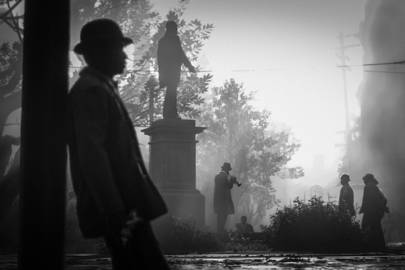
My shots in Minecraft:


Photoshop edits:


My shots in the Sims 3:


Edits:


This UK photographer uses FaceTime to keep taking portraits while everyone is quarantined

By Andy Meek

Tim Dunk
This short article was another way of approaching photography whilst in quarantine. I liked these FaceTime shots that the two artists have created. My previous research of the pictures of my laptop and the portraits through the zoom call is a little different. However, this is acting as a professional photograph, whilst they edit the original face time shots with their tools and result in these sets of unique and effective series of images. I like how they are in threes acting as a triptych. They all link together and present a narrative. This idea within photography has interested me more towards this idea of having more than one image because it acts as a story, which I like when taking pictures. “How do you keep taking peoples’ photos when you’re not, ah, allowed to be anywhere near them?” in this article seems to be the question in most other articles during this pandemic and it is responded with a lot of creative and different ways that have inspired me to explore.
https://www.c41magazine.com/samuel-harris-kid-for-today-photography/
Samuel Harris gives a looks at his own neighborhood through a new lens
This website intrigued me because it is a similar style of photography that I have been interested in. This concept of mundane things is apparent too and Samuel documents this. He is a 24 year old photographer that looks at this idea of how things change. “Viewing the town you live in over and over again as you drive to work or visit friends can often make what surrounds you boring. I wanted to show that there are always traces of human interaction within any environment that wasn’t there the day before. Things get moved, pushed, spilled, repaired, trashed, etc. All you need to do is take a few steps outside your house to find something that wasn’t visible before.” I wanted to document this explanation because its something that is so simple and subtle but you can find the most interesting and beautiful shots through just a raw and real concept, you don’t even need to travel far. This is something that I have communicated in my project so far. What is so special about these simple shots is the choice of lighting and editing, it inspires me to go down this dark route, which I have mentioned before. I feel more connected with this gentle theme.
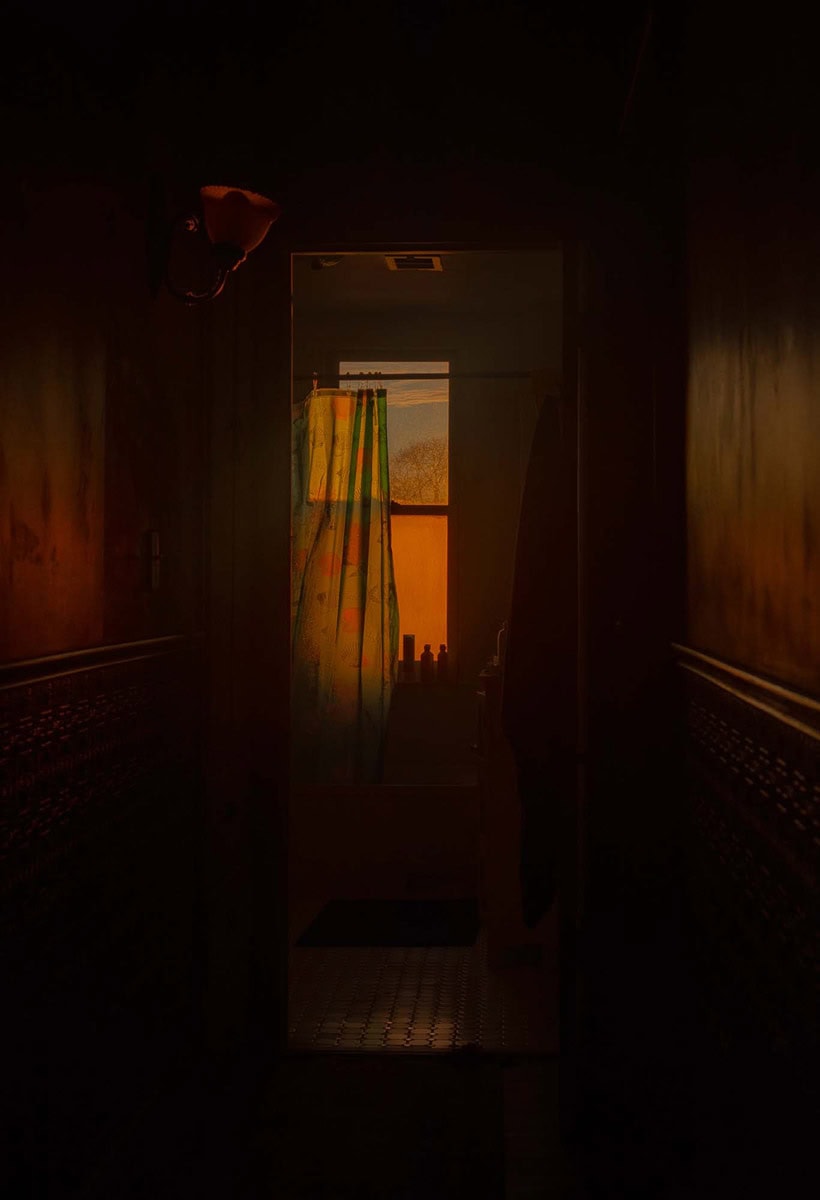
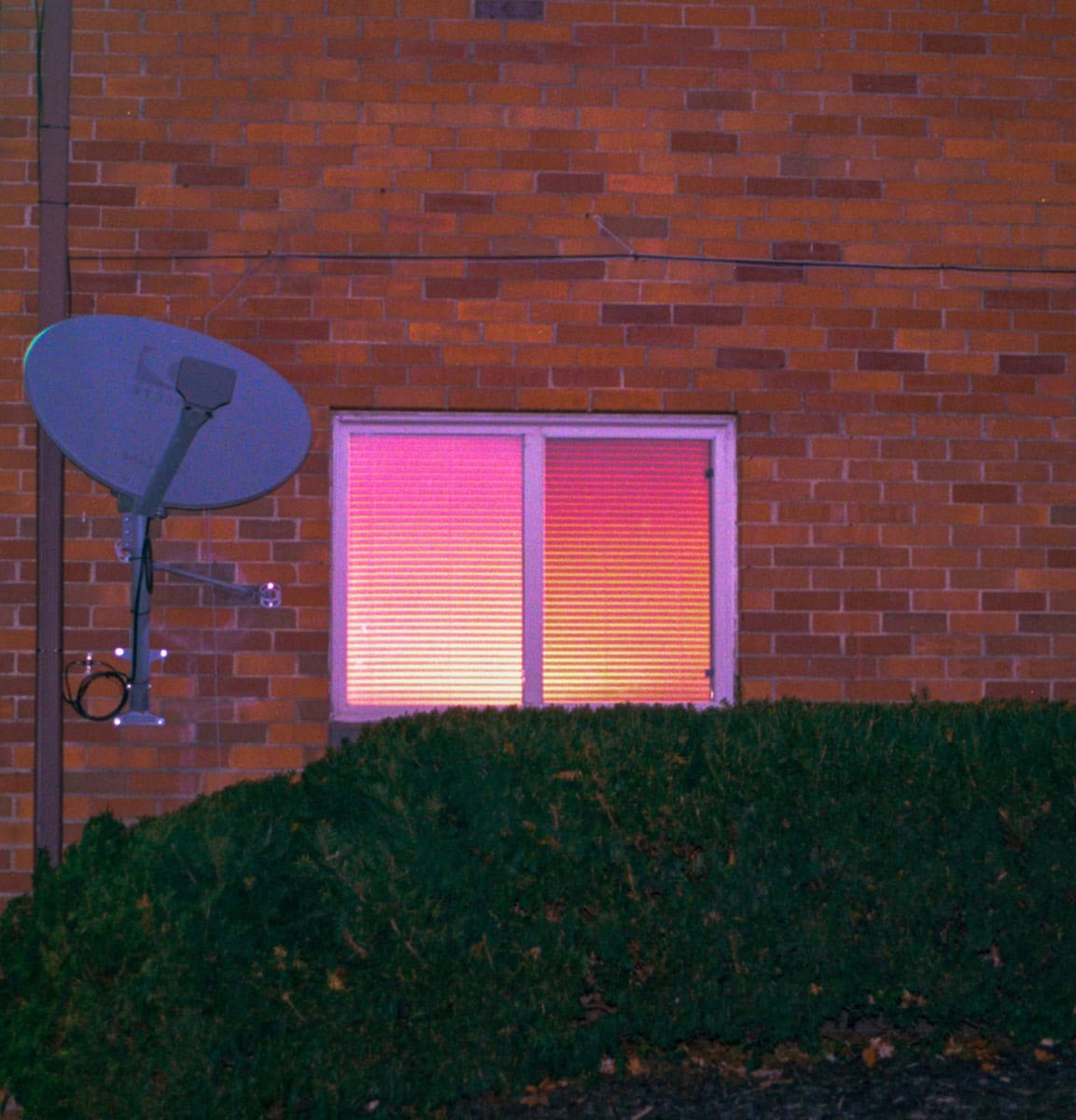
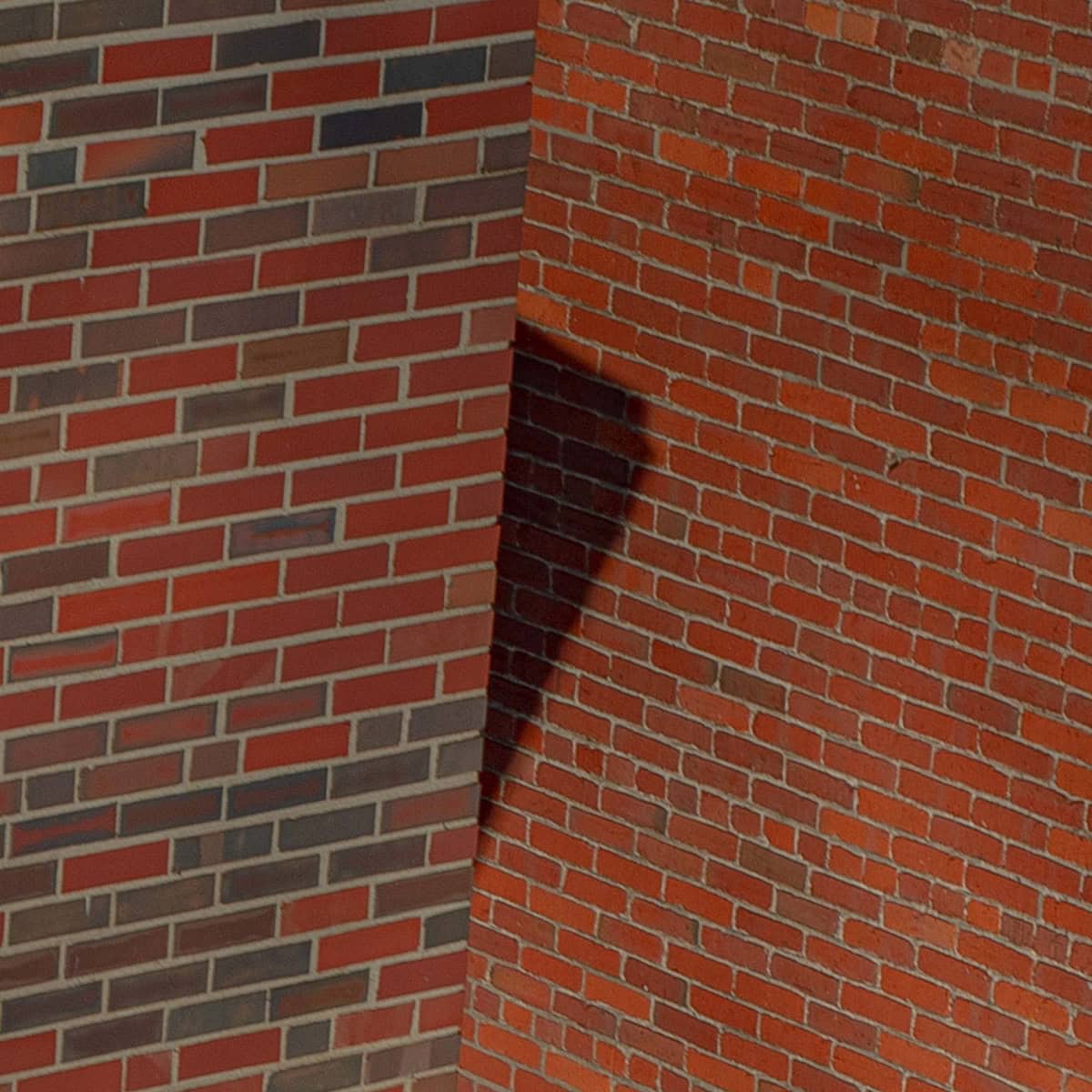
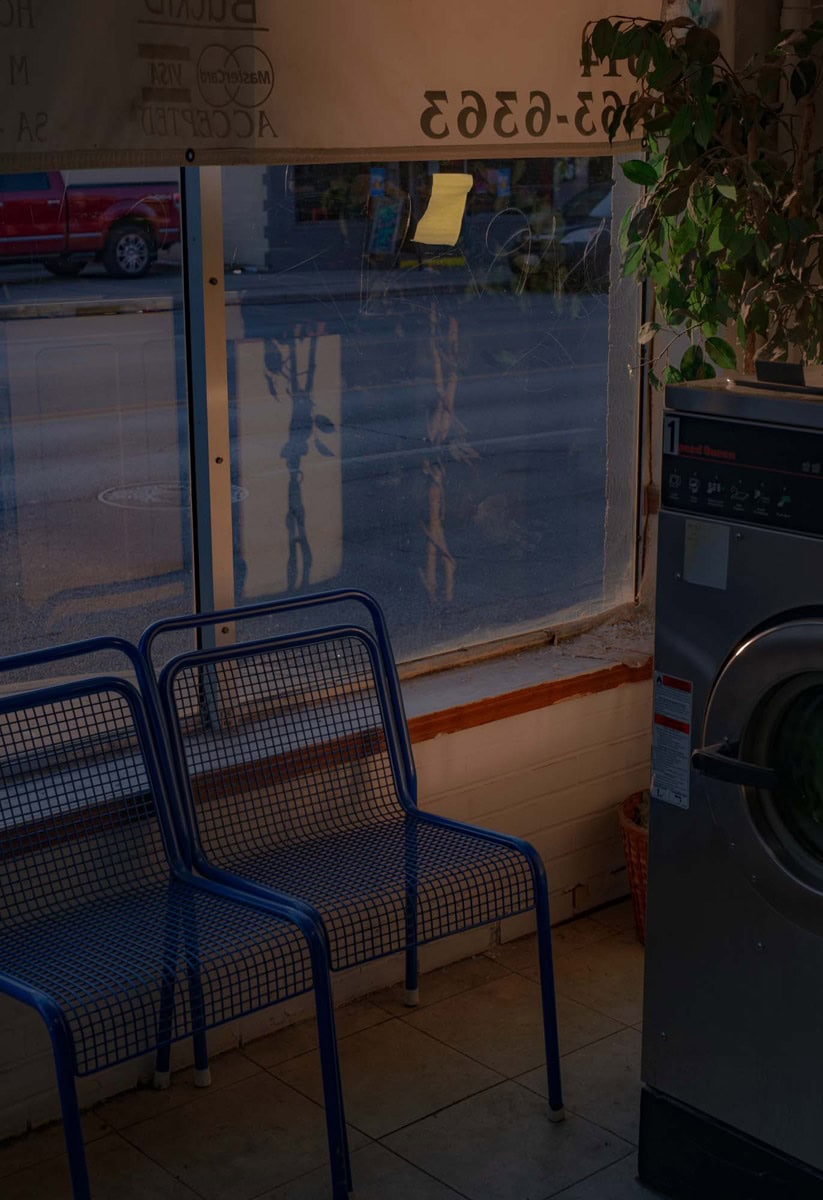
https://mishkahenner.com/No-Man-s-Land


Websites biography – Exhibited at MoMA New York, Metropolitan Museum of Art, Turner Contemporary, Margate, Hasselblad Foundation, Goterborg, and Örebro konsthall amongst others (click here for exhibition history). Works collected by the Arts Council England collection, Victoria & Albert Museum, New York Public Library, and the Cleveland Museum of Art amongst others. Received the world’s smallest photography award, the Kleine Hans award, in 2011 and awarded the ICP Infinity Award for Art in New York in 2013. Part of the ABC Artists’ Books Cooperative. Lives and works in Manchester, England.
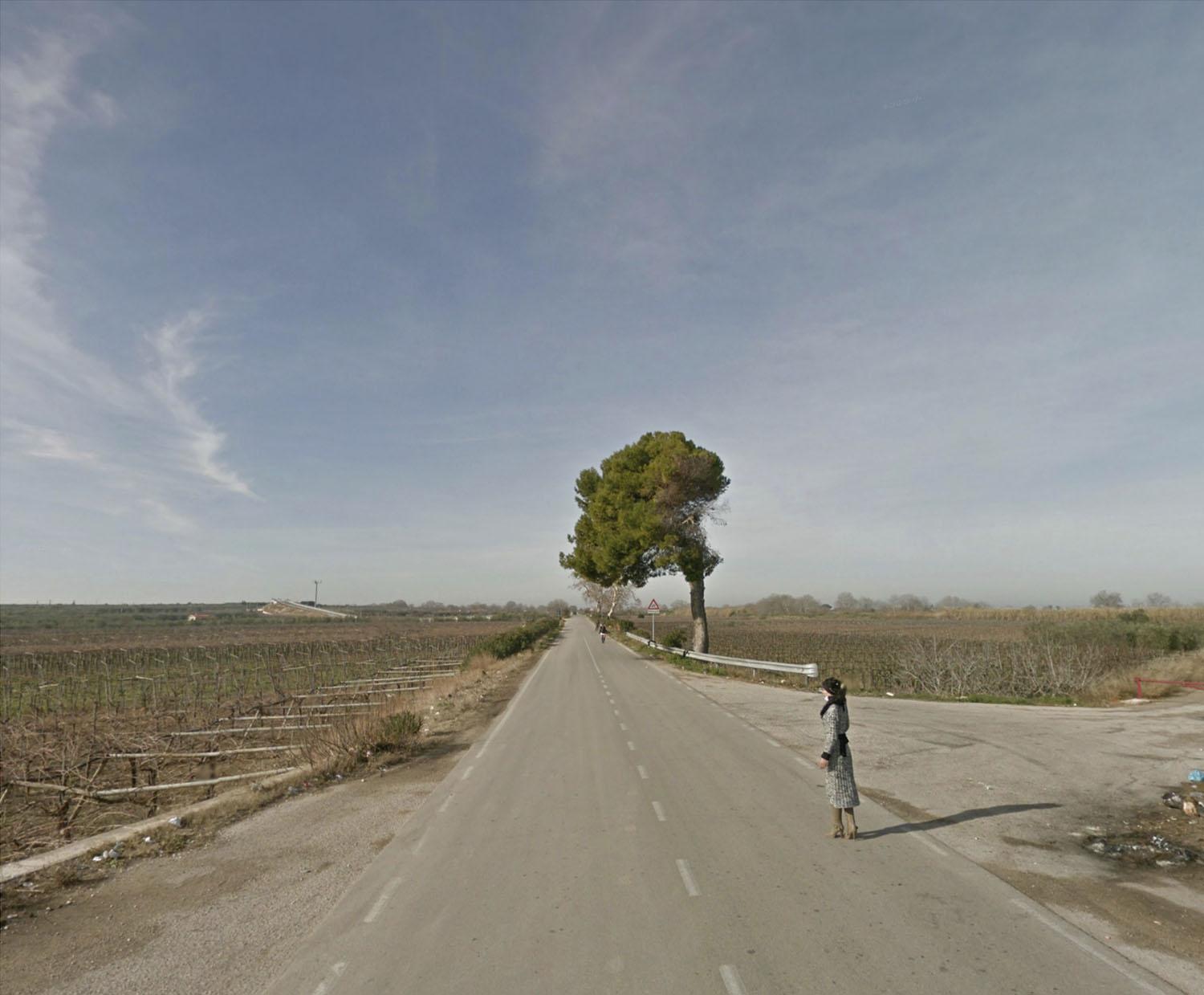
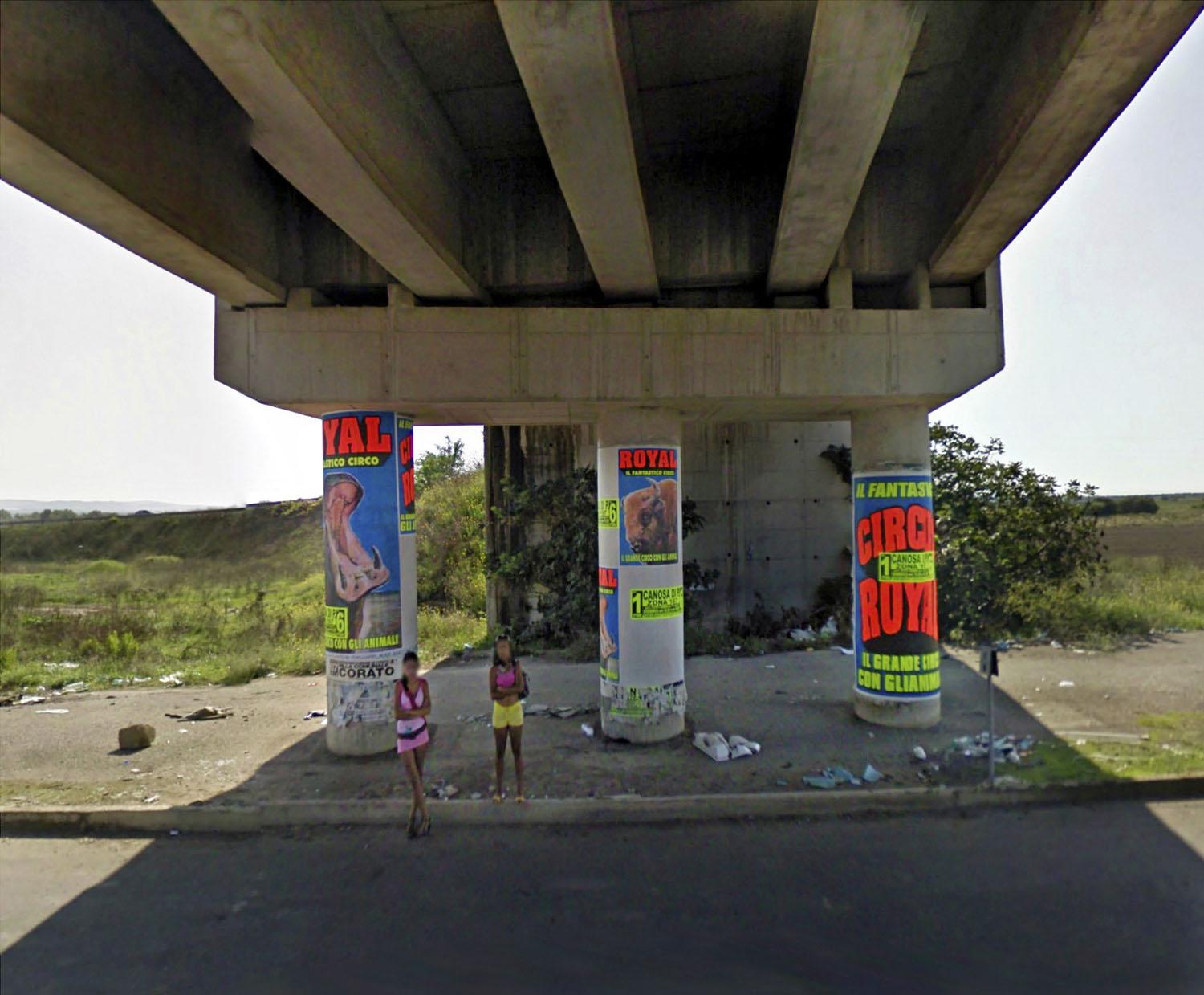
I loved Mishka Henner’s collections of photos. I found the google maps reference through his work was a unique take when presenting your own photography. As his model’s faces are blurred out it represents a mysterious look with the spaced out scenic views. I think Mishka is trying to explain that these people are insignificant to the message, they aren’t important, the only thing that is important is the beauty through nature. However, some would say that this idea of blurring the faces may draw interest and attention to the people. There is contrast between nature and humans. He decides to chose neglected and abandoned areas that are empty with long roads in the middle of nowhere. This work reminds me of previous work I have looked at with the abandoned areas, there is something I find nostalgic and effective with this kind of photography. It ties in well with what is currently going on with the covid-19. These photos can make people feel lost within the picture, and it gives a sense of peace and quietness, as if you were really there. It has inspired me to go out and take more photos like this, especially with the pandemic in full force. The two images I chose to put on my blog have different successful qualities in them that stood out to me. The way his images give some symmetry is effective, and even the way the one tree in the first picture stands by itself in the middle was interesting. His choice of neon colours on the posters on the three columns was something that was unnatural within such a derelict place. Abnormal things within a shot bring character photographs, which is something I will consider.
https://www.bjp-online.com/2015/09/andy-sewell-something-like-a-nest/2/
The rural mythologies of English country life


Coronavirus face masks around the world – in pictures
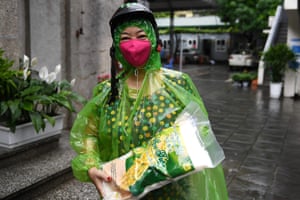
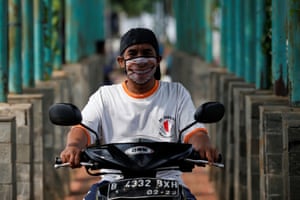

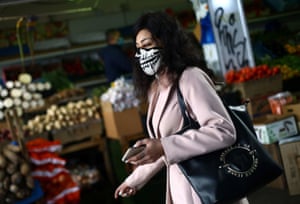
These images interested me because they give a playful side to the pandemic that is happening around us. Each person has a different mask, it gives a different perspective to how they want to protect themselves. A sense of character and humor comes out of it, not necessarily in a disrespectful way, more of making light on the matter with what is going on. I like how the photographer has focused on them as the subject and kept the background blurred, it gives the image a natural look, suggesting even though this panic is happening around us, there should be some positive that comes out of it.
Shoot:


Favourite edits:
This next shoot I did was another experimental shoot, I wanted to see what I could get out of stepping out of my comfort zone once again. This time I made sure when editing these photos within Photoshop I explored more with how the colour scheme could be different to how originally I have been editing my previous photographs. I was vigilant about what level of saturation and exposure as well as contrast was necessary. By doing this it gave me an insight on sensitivity with colours that are within a photo. As I have already spoke about the difference when making a photo black and white from a coloured photograph, I made sure I was also altering the level of tone in different areas that could be more black and more white than others. As well as the coloured photos, I tried to give areas different shades of colours to change the sensitivity the original gave. I realised when taking these nature shots, I wasn’t completely connecting with them because this isn’t my normal style and theme I take pictures of. However, I think the outcome was successful because I learnt a lot more than I would have by playing it safe. This is something I wanted to achieve, to experiment more with colours because even though angles, lighting and subject matter is important, so are colours and how you want to portray a feeling.
When having these concepts in mind, a lot of underlining subjects come through. A psychological discussion arises, which interests me a lot. Art and the mind combine together very well, they act as twins. There is always your interpretation and thought through a picture you decide to take, you are thinking about your next step, why this position is good, the symmetry, the colours, the light etc. Its a demonstration on how you see the world, your sensitives and then other people’s sensitivities when they view your work, how they interpret it.
This video I watched explains how we see colours and how the light effects this. Our brains are trained into seeing certain things, especially how we have been taught things. The speaker showed a black and white picture that was very dark, more black than white, he then asked if we could see the animal that was hidden within this photo. We couldn’t see this animal but once the lighting had changed within the picture, the animal was visible. He called this ‘the surfaces according to the quality of light they reflect’. He mentions how colour lets us see the similarities and differences within a photo and in life. I liked this explanation because it really puts things into perspective about light and how it works on the human eye.


the.grand.delusion–why.nothing.is.as.it.seems
‘Where does the mismatch between my memory and reality come from? “We’ve known since the 1960s that memory
isn’t like a video recording — it’s reconstructive,” says psychologist David Gallo of the University of Chicago. The
collection of snapshots known as “autobiographical memory” is not a true and accurate record of your past — it is
more like a jumble of old diary entries, photographs and newspaper clippings. “Your memory is often based on what
you’ve seen in a photograph or stories from parents or siblings rather than what you can actually recall,” says
Kimberley Wade, a memory researcher at the University of Warwick in the UK.’
We do this in photography, we take snapshots of moments and memories and savor them in that times slot digitally. We can remember things from the past but when you have a picture of that same memory we can sometimes remember it as that photo. Then your judgment can be false or clouded by this photograph because you can only see it from that perspective. However, it is not a negative thing, it is simply how the brain works. It is quite an effective and complex concept.
https://mastersof.photography/joel-meyerowitz/
This link has inspired me to definitely go through with the development of portrait photography, I want to next take photos of my mum, again, but this time take a different approach. By changing location, I will use different lights inside and do a photo shoot of my mum. With having to work from home I am now needing to use my own tools to create different effects with light. I want to experiment with white objects and black objects like blankets, box lids and more as they suggest in the video. I want the results to be more effective than my previous portrait work, that was just a starter. When editing these photos I will be able to use the lighting effects to my advantage and the images should have a nice professional finish.
Shoot:

edits:


These shots were taken inside my home and outside in the back garden, this is the time of night I wanted to capture, as I have mentioned before I feel I connect with these tones more. The tones of blue are dreamy and cold at the same time, the contrast in blacks to blues show these themes and ideas. Nostalgia resonates with me through using tones like these. I do want to go out onto the streets at this time and focus on more industrial settings. However, this first experimentation worked well. I wanted to focus on the art of unfocused and focused images and how they give different perspectives and moods to an image. Even though you can’t see what the images are clearly, it was me working in a diptych style, so I can fully play around with this idea and how presenting a series of diptychs can narrate a story. You can see my original clear shots of the sky and contrasting silhouettes of the houses. But then you can see the same colour scheme on the blurred images, yet they are similar subject matters just blurred. I changed shutter speed to create this blurred light that was coming from my neighbours window. I like how these two different techniques using my Nikon camera came out, its interesting because the concept of not knowing completely what these images are from the shapes, but we make up what we think it will be from the human eye. When editing in Photoshop I wanted the colours to be prominent and contrasting so I increased the vibrance, exposure, contrast and brightness on all expect from the two indoor shots. I did this because I noticed I didn’t want to change much on these shots as the originals were just enough in my eyes, I only increased the brightness and contrast here. The indoor shots I liked because this angle you could see the light from next door shining through my back door through the hatch into the back room was effective. This late night feel is something I want to consider using for my final images, as well as diptychs because I felt like I executed it in a way where I am making sense of it in my own work, the photos link and make sense with one another. But I could have two completely different images put next to eachother but if they had a similar colour scheme or concept it would work. I have noticed when presenting something like this its good to experiment with layouts and how you position certain images together. Like I did here, I swapped the order and it still connects together.


https://www.timwalkerphotography.com/recent-work#2
Even the way Tim Walker’s website and the uelphotography articles are presented is art in itself, I have been using a similar presentation on my portfolio box and experimenting with ways to present your work. I find a slideshow is an effective, simple and professional way to show your images. Having a simple and bleak space to show your work is easy for the viewer. This way of working is helping me on how I will chose to layout my final images for the fmp.


https://zenahampsonphotography.portfoliobox.net/

https://www.bbc.co.uk/news/in-pictures-52373308
The boy who photographed La Belle Époque of France
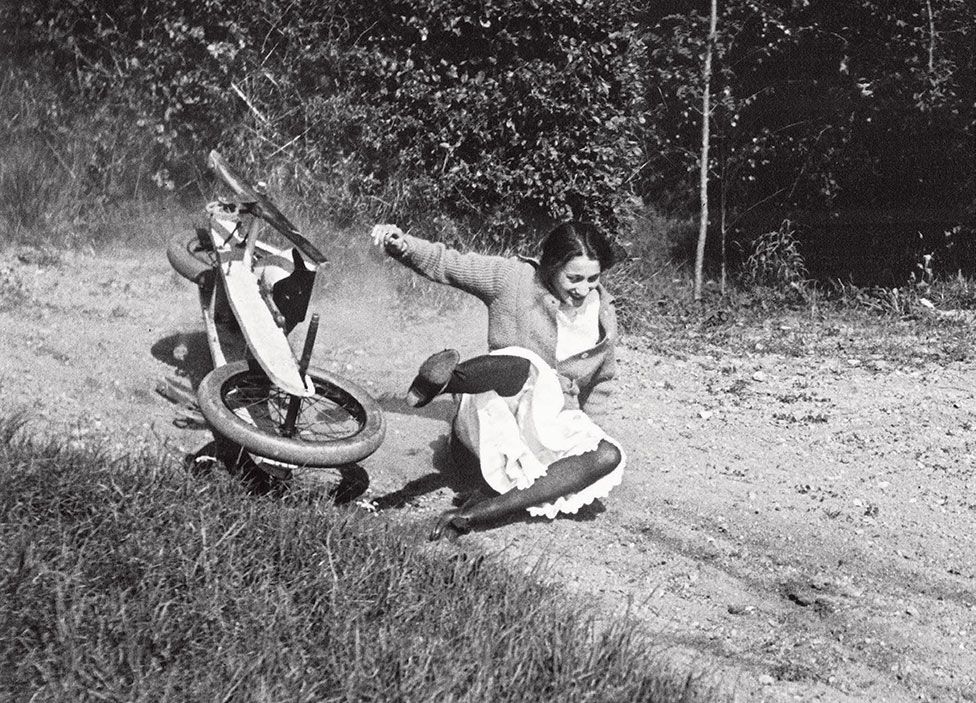
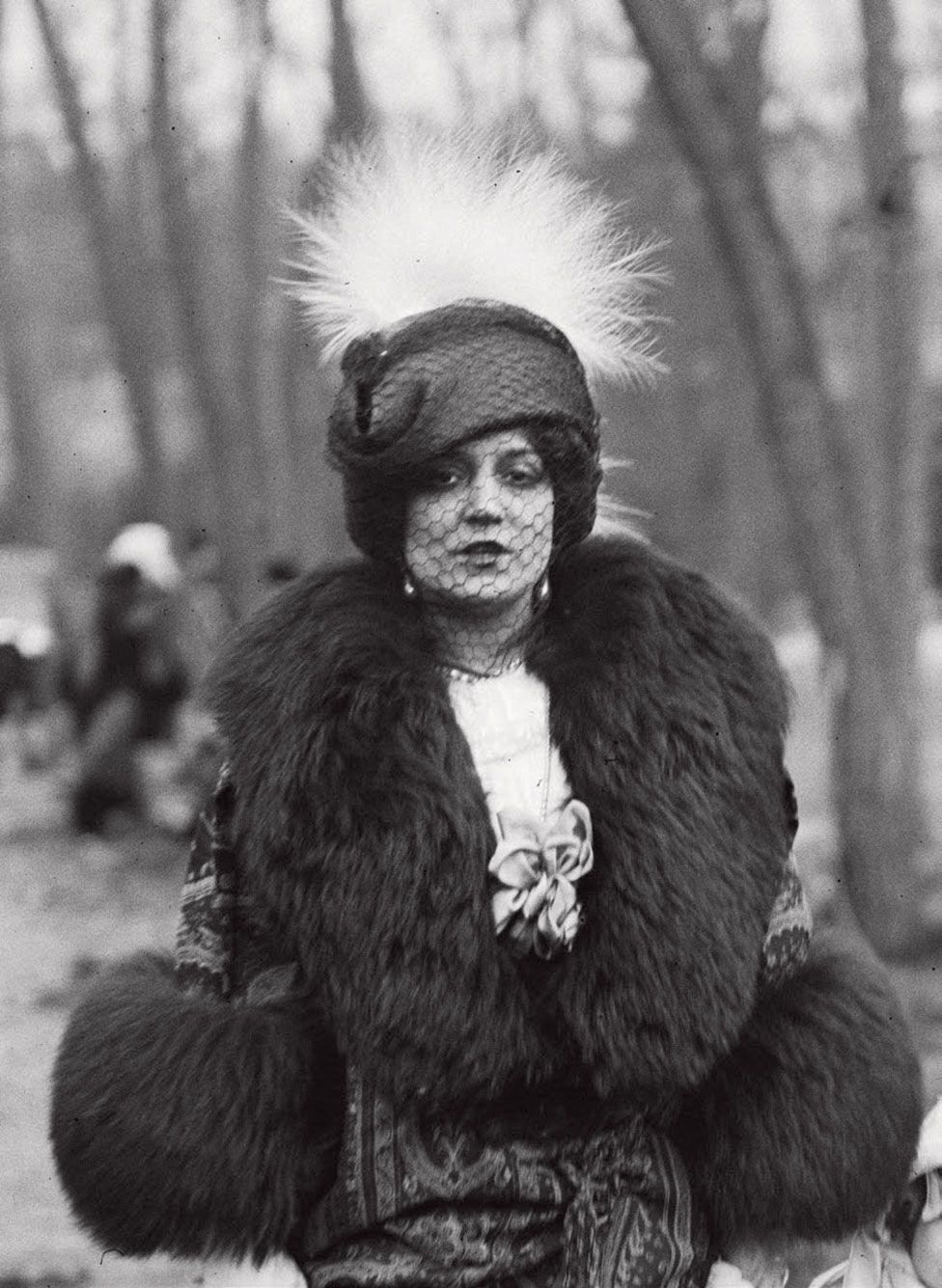
Jacques Henri Lartigue, during the 20th century, was a young boy given a Kodak camera by his father. He took images of his family but discovered the master of photography at such a young age. When looking at his images it interested me a lot that even a young boy can capture his own life in such an effective and sensitive way. It really shows a snapshot into that time period, with how the clothes and life was. This is the artistry of photography, how you can savor time, as if you are there back in the period. I love the black and white within the shots, even though it was during the 20th century, the cold colours work with the subject matters. I love this picture below of Régina Badet, Bois de Boulogne, 1911. She knows her picture is being taken, but its natural and shows exactly the kind of fashion for their time. ‘Other subjects included a woman in furs attracting a covetous glance from a male passer-by; the gleaming lines of a racing car; winter sports in Switzerland; and summers on the beaches of Étretat and Trouville, where, he wrote: ‘Nothing hinders my eyes from roaming, drifting endlessly….’
http://www.seesawmagazine.com/jasonevanspages/jasonevansintro.html

I understood this way of approaching photography, Jason Evans talks about how you shouldn’t expect to take a shot in a perfect way. You can plan out what you want to take and where but its better to go in with an open mind. Anything can happen when you stumble across something, it is better for it to be natural and not forced. ‘Happy accidents’ is a phrase that I have always kept in my mind when taking photographs or art, that is why I connected with Jason’s perspective. ‘To allow the compulsion to lead and see where it went, rather than looking for something in myself that wasn’t there yet’ this quote is true when you are trying to seek for that one image, its unrealistic to be like that, I find when I am not expecting a shot, these are the effective shots. If I think its worth a capture I will take that snapshot. Its as if your brain sees something that speaks to you and you want to save it in that moment.
https://www.photopedagogy.com/lockdown.html
‘It starts with a deliberate decision on your part – to pick up your camera or phone (or pen or pencil, even) and take control.’
Peer Review – Research and initial ideas


My intentions for these shots were for me to step outside of my comfort zone and look a different subject matters that are normal every day views that can be seen in a beautiful way. I noticed whilst in lock down our surroundings we take for granted can be unseen, so I wanted to communicate this concept of how by taking that snapshot shows an opposite perspective. My main aim for this project is to combine home and portraiture and experiment with layouts and diptychs with these two themes and ideas. My main inspiration within my research and other artists have came from the massisolationFORMAT, Luke Saxon, Tim Dunk, Catherine Opie. My go to photographers I mentioned right at the start are also Martin Parr, Alec Soth and William Eggleston. All these photographers have successes within their techniques and style, I like the way dark tones and shadows emerge through their images because this is something I like to look for when truly connecting with someone’s work. Nostalgia is also another theme that is important, there needs to be a personal concept that the viewer can get when looking at photographs, it needs to make sense. To carry on in the project my next moves are going to be three more shoots, where I will experiment further with taking shots around my house to show the contrast from my previous shoot. The next shoot will be portraits of my mum to experiment with different light, they will be close up shots in black and white also colour. The final shoot will be me going on drive with my mum to industrial areas to focus on the outdoors. I want a dark, raw and abandoned style with those photos because it will pin point my style and skills, I feel it will compliment my work with the covid research and it be a good representation of how the world is right now. My home and portraits will work well together by showing that personal side to my photos, I want to make sure all these photos have good techniques, lighting and editing in Photoshop.
 Zena Hampson Photography